
Guide
Are Paid Competitions Worth Entering? Setting a Sensible Budget

Paid competitions can be a fun part of the hobby of entering giveaways, prize draws and skill-based contests. For some entrants, the appeal is simple: a small stake can make the experience feel more exciting, and the potential prizes can be appealing. But paid entry should always be approached with clear limits, because winning is never guaranteed.
This guide will help you decide whether paid competitions are worth entering for you, how to think about value rather than just price, and how to set a sensible monthly budget that protects your finances.
What makes a paid competition worth entering?
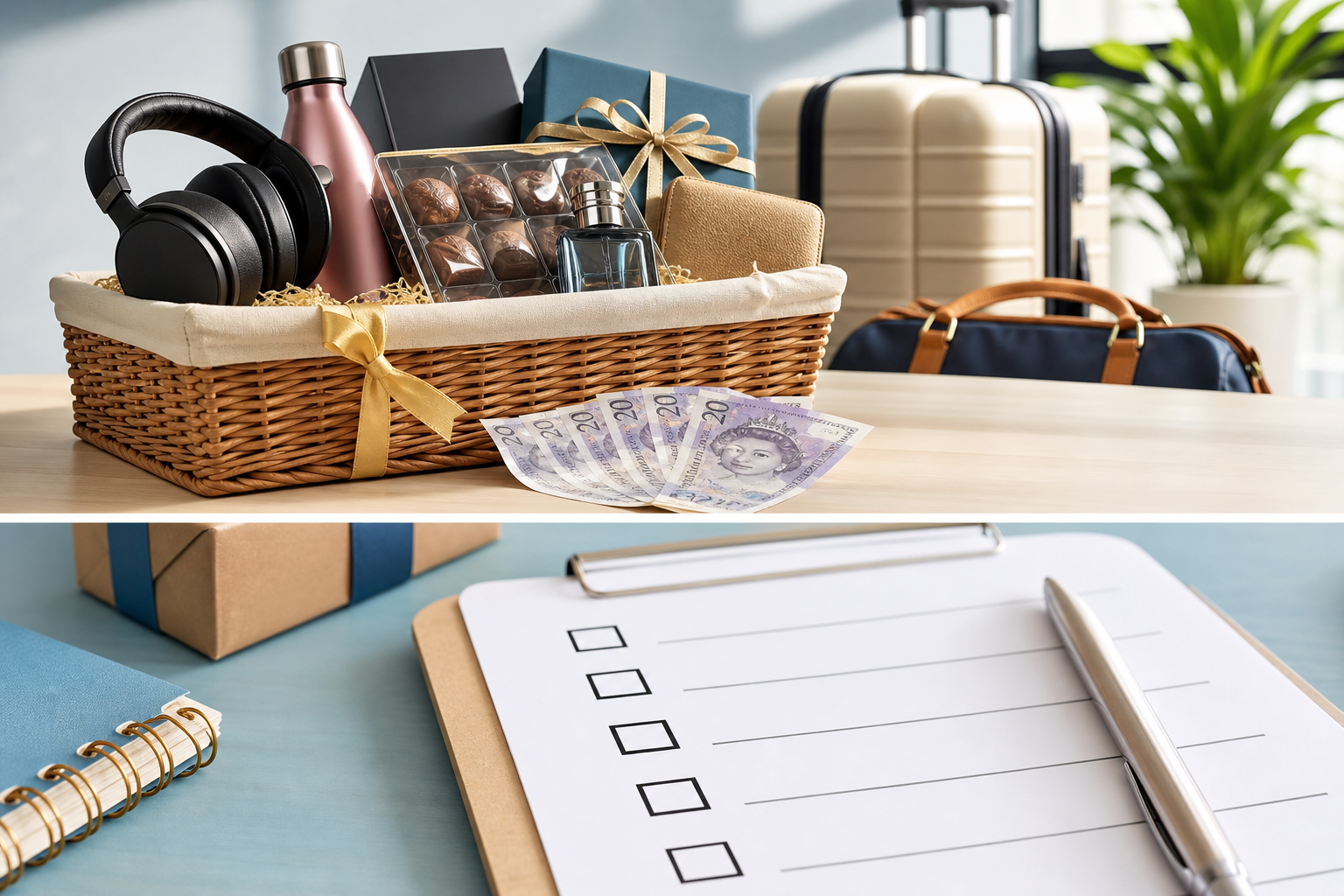
The answer depends on your budget, your goals and how much enjoyment you get from the process. A paid competition may be worth entering if it offers genuine entertainment value and you can comfortably afford the entry fee without affecting essential spending.
Think of paid competitions as a leisure activity, not an income strategy. If you enjoy researching prizes, choosing entries carefully and following results, the enjoyment itself can be part of the value. The key is to decide in advance what that enjoyment is worth to you.
Entertainment value matters
Some people enjoy the thrill of trying for a large prize. Others like the sense of anticipation, or the idea of supporting a specific organiser, charity or cause. If entering makes you happy and the spend stays within your limit, that can be enough reason to take part.
A good question to ask is this: would I still feel satisfied if I did not win anything this month? If the answer is yes, the entry may be providing entertainment value in its own right. If the answer is no, you may be relying too heavily on the hope of a return.
Start with affordability, not optimism

The most important rule is to only spend money you can genuinely afford to lose. Because there is always a chance you will not win, paid entries should come from a discretionary budget, not from rent, bills, food, savings goals or debt repayments.
Even a modest fee can add up quickly if you enter frequently. It is easy to underestimate the total monthly cost when each entry seems small on its own. That is why setting a firm budget before you start is so useful.
How to judge entry prices
There is no universal “good” entry price. A low fee is not automatically better value, and a higher fee is not automatically too expensive. The right question is whether the cost feels proportionate to the prize, the format and your personal budget.
Consider these points:
- Prize size and appeal: A prize you would genuinely use may be better value than a more expensive entry for something you would not choose yourself.
- Frequency: One higher-priced entry may be manageable, while repeated low-cost entries can quietly become expensive.
- Chance versus entertainment: If you are entering mainly for fun, the fee should reflect the amount of enjoyment you expect to get.
- Overall monthly spend: A cheap entry is only cheap if it stays within your budget.
Do not assume that every paid competition is better value than a free one. Sometimes the best decision is to save your money for entries that truly interest you.
Do not overlook free entry routes
Many entrants prefer competitions that offer a free route or free entry option. These routes can help you take part without increasing your spending, though they may require extra steps or more effort. If a competition offers a legitimate free route, it can be a useful way to stay involved while keeping your budget under control.
When comparing options, think about time as well as money. A free entry route may take longer to complete, but if the prize is appealing and the process is reasonable, it can be a sensible choice.
It is still important to read the rules carefully. Not every promotion is the same, and entry conditions can vary. Make sure you understand what is required before you take part.
Winning is never guaranteed
This is the most important point of all. No matter how much you spend, there is never any certainty of winning. A bigger budget may let you enter more often, but it does not create a guarantee. That means your spending decisions should be based on entertainment and affordability, not expectation.
It can be tempting to chase losses or keep entering because you feel a win is “due”. That is a risky way to approach paid competitions. Each entry should stand on its own. If you would not be happy paying for that specific entry today, it may be wiser to skip it.
A simple monthly budgeting worksheet
Use this worksheet at the start of each month to set a clear limit.
- Monthly leisure budget: £_____
- Essential bills and spending already covered: Yes / No
- Money left for hobbies and optional spending: £_____
- Amount reserved for paid competitions: £_____
- Maximum spend per entry: £_____
- Number of entries you can afford this month: _____
To make this more practical, decide in advance how the budget will be split. For example, you might allow one portion for paid entries and keep the rest for other hobbies. If you reach your limit early, stop entering until next month.
You may also find it helpful to track your spending in a simple note on your phone or in a notebook. Record the date, competition, entry fee and running total. This makes it easier to see when costs are creeping up.
Warning signs that it is time to stop entering paid competitions
Paid competitions should be enjoyable, not stressful. If any of the following apply, it may be time to pause or stop:
- You are spending more than you planned.
- You are using money meant for essentials.
- You feel frustrated, guilty or anxious after entering.
- You keep entering to recover previous spending.
- You are hiding entries or spending from someone else.
- You feel unable to stop, even when the budget is gone.
- You are no longer enjoying the process and are focused only on the outcome.
If competition entering starts to feel compulsive, step away and take a break. It can also help to remove stored payment details, pause app notifications and unsubscribe from mailing lists that tempt you to overspend.
How to keep paid entries sensible
There are a few simple habits that can make paid competitions easier to manage:
- Set a monthly cap: Decide your limit before you browse.
- Prioritise the prizes you really want: Do not enter just because an opportunity is available.
- Use free routes where suitable: They can help reduce costs.
- Review results honestly: If you are not getting value from the experience, reassess.
- Take breaks: Time away helps keep the hobby in perspective.
Being selective is often better than entering everything. A smaller number of thoughtful entries can be more satisfying than lots of impulsive ones.
Conclusion
Paid competitions can be worth entering if you enjoy them, can afford them and treat them as entertainment rather than a promise of reward. The safest approach is to set a clear monthly budget, look for free entry routes where possible and accept that winning is never guaranteed.
If paid entries stay within your limits, they can be a fun part of the hobby. If they start to cause pressure, anxiety or financial strain, it is time to stop and reset your approach.
Related reading: Free Entry Routes Explained: How Postal Competition Entries Work
Related reading: What Happens After You Win a Competition?
Independent help and official information
Read our Responsible Entry guidance for budgeting prompts and independent support organisations. The Gambling Commission explains the distinction between free draws and prize competitions, including the requirements for dual paid and free routes.